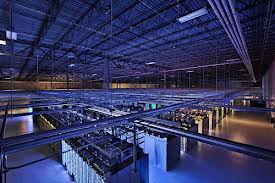
For many years, PLM analysts, consultants and vendors claimed that silos are bad and need to be broken to transform the organization. You can see it in so many places. Here are just few examples – Demolish silos using 3DEXPERIENCE by DS; Silos are for farms and not for companies by Zerowait state.
Here is a passage from CIO reviews article –Platformization, Closing Open Loops are Forcing Product Lifecycle Management to the Enterprise by CIMdata Peter Bilello:
Lifecycle management is the core enabler for product and process innovation. PLM is rapidly expanding outward from engineering and manufacturing, gaining credibility and traction in every phase and discipline across the product lifecycle. In other words, PLM is no longer constrained by organizational charts or departmental “silos of expertise.” PLM’s enabling solutions create and manage field service, warranties, software and technology development, new processes, and better workflows throughout today’s extended enterprise. The use of extended here means business partners, key suppliers, employees and other stakeholders, lenders, and even regulators.
Extended enterprise and implementing PLM across multiple silos is presented as a fundamental element of lifecycle management and product innovation platforms. Will PLM actually improve processes by breaking organization silos and setting up a single system for everyone in the organization? I’m not sure about it…
Silo is a very tricky thing. The lazy mantra of breaking silos can have lot of consequences because it can actually destroy organizational processes and damage execution structure in the company. This is one of those things you don’t want to change, otherwise organization functions will be damaged. So, what is wrong with silos? Aren’t they bad as we’ve been saying for many years? Actually they are not as bad as data silos.
Data silos can prevent organization to make data driven decisions by relying on trusted sources of information. Connect service and support data to manufacturing and engineering information. In a traditional organization each of these silos has its own data representation. EBOM, MBOM, SBOM, XBOM… Each of these organizational silos defines its own process and this is fine. However, the real problem is when organizational silos are starting to rely on their own part of information and this is will make them bad. Each department or organization should be able to “stay on the same BOM” by connecting information puzzle and breaking data silos.
Why PLM vendors are so much focused on breaking silos? My hunch the core problem here is about data control. Each of silos has a right to control data and prevent from other people (but mostly applications) to access it.By doing so, vendors are preventing other companies to come and re-use data across silos.
What is my conclusion? Keep process and organizational silos, but break data silos. This is should be a new mantra by new PLM organization in 21st century. How to help designers, manufacturing planners and support engineers to stay on the same BOM? By resolving this problem, organization will preserve current functional structure, but will make their decisions extremely data drive and efficient. The new role of PLM is to keep organizational and process silos, but connect data silos. This is a place where new cloud based multi-tenant technologies will play key role in the future organization transformation from the vision of no silo extended enterprise to organized functional silos connected by common understanding of data. Just my thoughts…
Best, Oleg
Want to learn more about PLM? Check out my new PLM Book website.
Disclaimer: I’m co-founder and CEO of OpenBOM developing cloud based bill of materials and inventory management tool for manufacturing companies, hardware startups and supply chain. My opinion can be unintentionally biased.