
I had a chance to read an article by ebizQ related to Cordys BPM. For those who is not aware – Cordys is a relatively new outfit in the enterprise software market. The wizard name behind this company is Jan Baan. If you are a long-time citizen in the enterprise software domain, you need his first ERP company – BAAN. These days Jan Baan is very active and Cordys is one of his new babies. In his interview, Jan is discussing his long project related to decoupling of processes. The following quote seems to me interesting:
… ending the data-process dependency is easier said than done. Suppliers attempted it using extremely fat clients at one extreme and sophisticated distributed data with replication at the other.
Process Decoupling
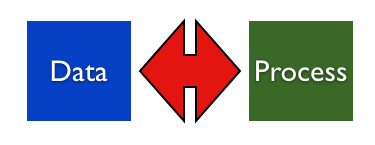
For a very long period of time the concept of “a process needs data” were dominant. Multiple BPM vendors claimed that the only way to make BPM successful is to bring meta-data (and other data) into BPM product suites. I can agree, this strategy seems to be successful if you plan is to create integrated enterprise software suites. However, thinking more about Internet technologies and lean architectures it makes much more sense to make a disconnection of data and process.
PLM: Process vs. Data
In my view, PLM Software vendors are definitely moving towards better vertical integration. Users are asking PLM companies for a better integration between products, and PLM (and not only PLM) companies are starting to couple products and solutions together to ensure customers will spend fewer resources tailoring these solutions.
What is my conclusion? I think, enterprise software vendors can miss the dangerous point of data and process connection and interplay. When most of the enterprise companies use data to lock-in customers in their product suites, the addition of processes seems to them as a natural continuation of this strategy. The real danger of these strategies is a large complicated software products and extremely high cost of changes. Just my thoughts…
Best, Oleg
Disclaimer: I’m the co-founder and CEO of OpenBOM, a digital-thread platform providing cloud-native collaborative services including PDM, PLM, and ERP capabilities. With extensive experience in federated CAD-PDM and PLM architecture, I’m advocates for agile, open product models and cloud technologies in manufacturing. My opinion can be unintentionally biased